

How to treat painful sunburn!
This article explains the causes of stinging and the correct aftercare methods.
Have you ever experienced your skin stinging or irritating after getting a sunburn?
Actually, sunburned skin is like a mild burn. We'll introduce how to deal with the pain, proper aftercare, and sun protection measures!
Many people have experienced the pain of sunburn during periods of strong ultraviolet radiation.
Sunburn is caused by exposure to ultraviolet rays, but the inflammation and stinging pain in the skin are due to acute damage caused by ultraviolet rays. *1
When your skin is sore from sunburn, you need to take measures such as cooling it down and moisturizing it.
This article provides a detailed explanation of how to treat skin pain caused by sunburn.
We will also introduce measures to prevent painful sunburn and aftercare to support skin recovery, so please refer to this if you are worried about skin pain from sunburn.
Index
How to soothe sunburned, stinging skin

If your sunburned skin is stinging and painful, it's best to cool the painful area as soon as possible.
If the pain persists even after cooling and moisturizing the skin, using an over-the-counter pain reliever is one option.
This article provides a detailed explanation of three ways to soothe sunburned, stinging skin.
Cool the affected area with a cold shower or a wet towel.
If your skin is stinging from sunburn, it's a mild burn, so first, cool the affected area. *2
If you have sunburn over a large area, taking a cold shower will cool you down effectively.
For localized sunburn, gently applying a damp towel is a good idea. You can also cool the area by applying a towel wrapped around an ice pack or ice in a bag.
When applying cold water or a cold towel to sunburned skin, be careful with the water pressure and application method to avoid irritation.
After cooling, replenish skin moisture with lotion or moisturizer.
After cooling down sunburnt skin, apply lotion and moisturizer to replenish lost moisture.
Skin damaged by UV rays may sting and hurt even with skincare products you normally use without any problems. If you are concerned about pain, we recommend choosing a gentle toner or moisturizer.
Patting lotion into sunburnt skin can be irritating, so it's better to gently moisturize by using a cotton pad soaked in plenty of moisturizer as a pack. *3
After using the pack, remove the cotton pads, gently pat any remaining moisturizer into your skin with your palms, and then apply a cream as a finishing touch to enhance hydration.
Keeping your toner chilled in the refrigerator allows you to moisturize and cool your skin at the same time. Sunburned skin is sensitive, so be sure to moisturize gently and avoid irritating it as much as possible.
If the pain is severe, use an over-the-counter pain reliever.
If the pain persists despite cooling and moisturizing, you may want to use an over-the-counter pain reliever.
Depending on the severity of the inflammation, the pain may not subside even with appropriate treatment. If the pain is severe, taking an over-the-counter pain reliever may alleviate it, so try taking one and see how you feel. *4
If pain relief does not improve your condition, do not try to endure the pain unnecessarily and seek medical attention.
Why does sunburn cause a stinging pain?
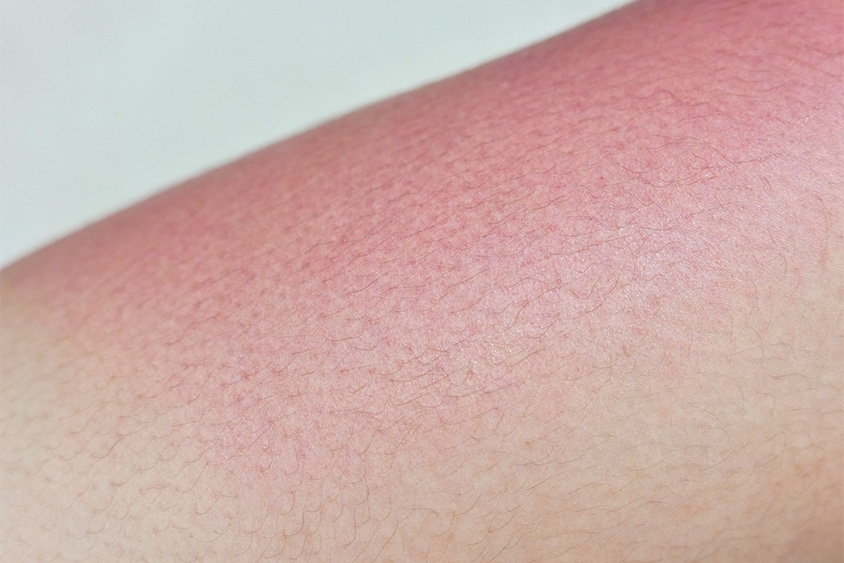
The reason your skin stings and hurts after sun exposure is that the skin, damaged by ultraviolet rays, becomes inflamed, resulting in a mild burn-like condition.
There are two types of sunburn: "sunburn" and "suntan."
| サンバーン | Suntan |
|---|---|
| The skin becomes red and stings. The pain tends to appear a few hours after sun exposure and peaks around 8 to 24 hours later. | Sunburn where the redness and pain subside a few days later, but the skin darkens, and this condition can last for several months. |
| ● People with fair skin Because there is less melanin pigment, symptoms are more likely to appear. Sunburn where the redness and pain subside a few days later, but the skin darkens, and this condition can last for several months. |
● People with fair skin They are often light. |
| ● People with dark skin They are often light. |
● People with dark skin Because they have a high resistance to ultraviolet rays, they are more prone to developing symptoms. |
The reason skin hurts from sunburn is because the skin becomes inflamed, and the way in which the skin is damaged by ultraviolet rays, which cause inflammation, varies depending on the amount of melanin pigment. Therefore, the amount of pain experienced after sunburn varies from person to person.
Sunburn care methods based on symptoms
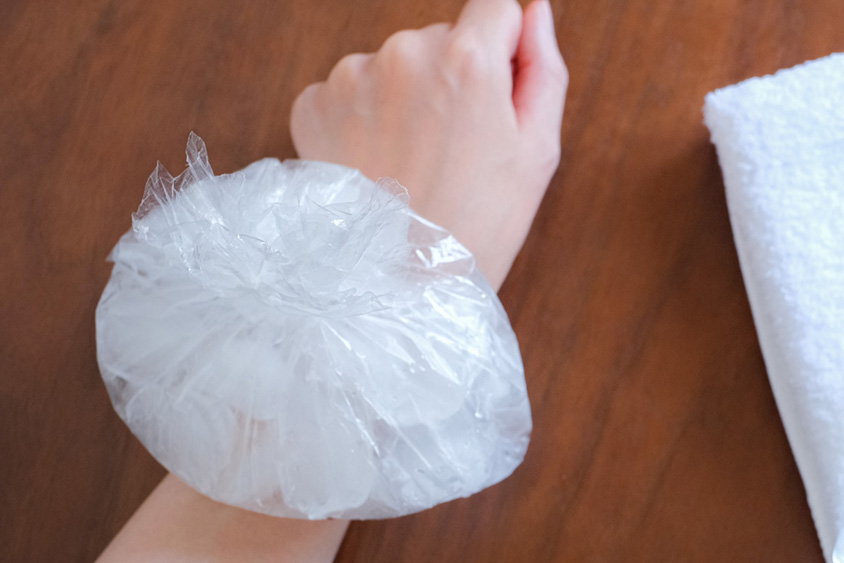
Sunburn can cause various symptoms such as stinging pain, peeling, redness, and blisters.
To ensure you're taking appropriate sunburn care measures based on your symptoms, please refer to the following table.
| Main symptoms | Care method |
|---|---|
| My skin is stinging and burning. | ● Cool |
| 皮がむける |
● Do not forcibly peel off the skin; wait until it peels off naturally. *3 |
| Blisters, swelling | ● Visit a dermatologist. *1 |
When you get sunburned, take care of it using methods appropriate for the symptoms to promote recovery.
Before you get hurt! Tips for sun protection
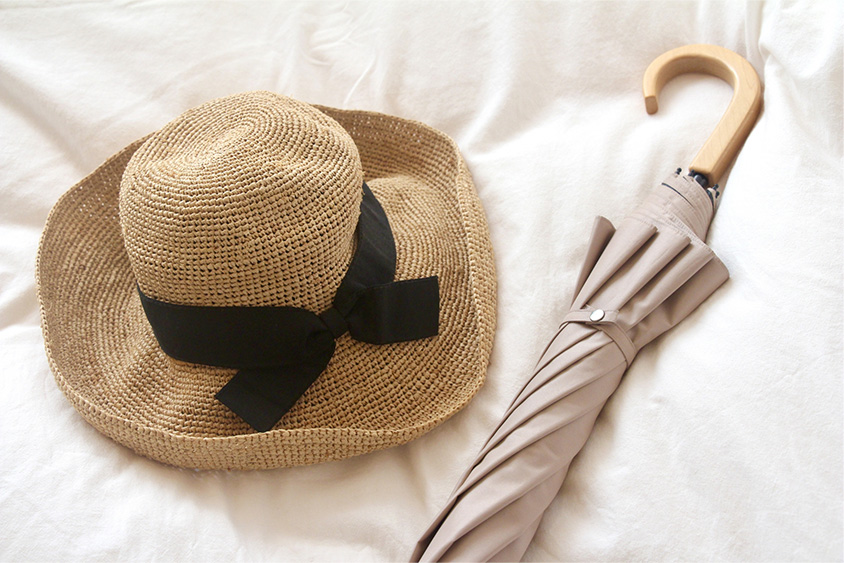
To avoid the pain of sunburn, sunscreen, hats, and parasols are essential.
Check the SPF and PA ratings of your sunscreen and reapply it frequently. Don't forget to wear a hat or use a parasol when going outside to block ultraviolet rays.
Here are three sun protection tips you should try before you get a painful sunburn.
Check the SPF and PA values of sunscreen before choosing one.
When choosing sunscreen, checking the SPF and PA ratings will help you select a product that offers better protection against UV rays.
- SPF…An index that protects against UV-B rays, which are the main cause of sunburn. *5
- PA... An index that protects against UV-A rays, which cause wrinkles and sagging. *5
The higher the SPF, the better it is at preventing skin inflammation, and the higher the PA, the better it is at preventing hyperpigmentation. To avoid painful sunburn, it's best to choose a sunscreen with a high SPF.
Reapply sunscreen frequently to maintain its effectiveness.
Reapplying sunscreen every three hours will help maintain its effectiveness in protecting your skin from UV rays. *6
Be sure to reapply sunscreen carefully to areas that are prone to sunburn, such as your face and hands. The appropriate amount of sunscreen to apply to your face is about the size of two pearls. *6
Don't let your guard down just because you've applied sunscreen; reapply it frequently to protect yourself from UV damage and avoid the painful experience of sunburn.
When going outside, block ultraviolet rays with a hat or parasol.
To avoid the pain of sunburn, using a hat or parasol in addition to sunscreen will help block ultraviolet rays more effectively.
Hats and parasols are effective items for blocking ultraviolet rays from the sun. However, they cannot completely block ultraviolet rays reflected from the surroundings, so it is important to use them in conjunction with sunscreen.
Internal care methods to support skin recovery after sun exposure
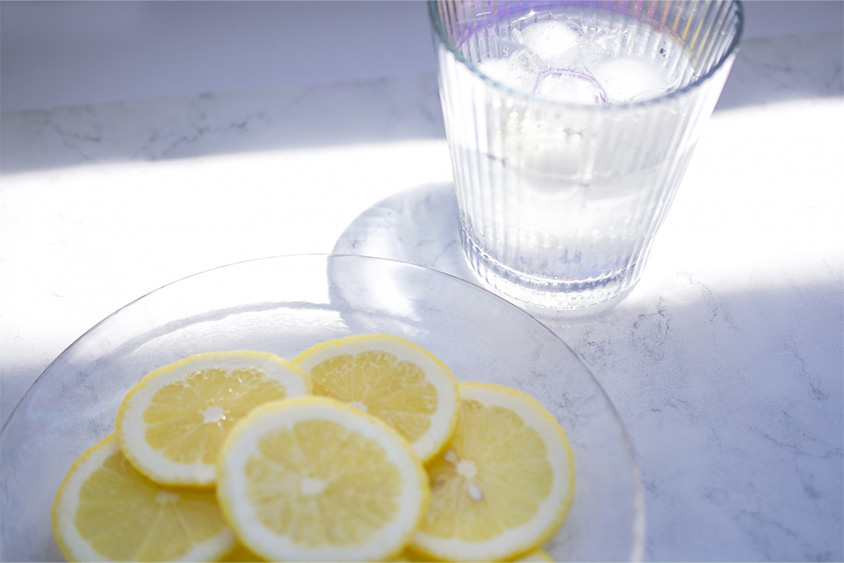
The more intense the ultraviolet radiation you are exposed to, the more moisture your skin loses, and the more its barrier function as a layer of ultraviolet radiation deteriorates. *7
Therefore, replenish moisture and nutrients to support skin recovery from the inside out.
This article provides a detailed explanation of skincare methods to promote skin recovery from within after sun exposure.
Hydration nourishes dry skin from within.
After sun exposure, in addition to moisturizing from the outside, support skin recovery from the inside by replenishing fluids.
A study investigating the effects of UV-B radiation, the main cause of sunburn, on the skin's barrier function found that when the amount of water lost from the skin was measured one week after exposure to UV-B radiation, the amount of water loss had increased significantly. *7
Since the amount of moisture lost increases in proportion to the amount of UV radiation, and a decrease in barrier function has been observed, it is a good idea to drink plenty of water after sun exposure to moisturize your skin from the inside. *7
Caffeinated beverages such as coffee, green tea, and energy drinks promote fluid excretion, making them unsuitable for consumption after sun exposure when fluid loss is already high.
Take vitamin C and protein to help repair the skin.
Vitamin C and protein are also necessary to support the repair of sunburnt skin.
After sun exposure, we recommend taking vitamin C for the following reasons:
- Promotes the activation of metabolism
- Supports collagen production*2
In addition to vitamin C, consuming vitamins A and E in a balanced way can further boost metabolism. *3
Furthermore, vitamin C is an essential nutrient for the production of collagen, which is necessary for giving skin firmness and radiance. *8 By consuming sufficient vitamin C, you can expect support in repairing skin damaged by ultraviolet rays.
Furthermore, some studies suggest that consuming nutritional supplements containing isolated soy protein may reduce inflammation from burns. *9
Isolated soy protein is a powdered product processed to contain approximately 90% plant-based protein. *10 After a mild sunburn, consuming isolated soy protein can help repair the skin.
Summary
If your skin is sore from sunburn, try cooling and moisturizing it. If the pain persists, use an over-the-counter pain reliever. If the pain is very severe or you have blisters, consult a medical professional.
After sun exposure, replenishing fluids and consuming nutrients such as vitamin C and protein can help support the recovery of skin damaged by UV rays.
To avoid painful sunburn, it's a good idea to take measures such as frequently applying sunscreen with a high SPF and using hats or parasols to protect yourself from the sun.
If your skin is stinging and painful from sunburn, it's a mild burn, so please treat it appropriately.
Reference site
- *1 Ministry of the Environment | Ultraviolet Radiation Environmental Health Manual 2020 | Chapter 2 Health Effects of Ultraviolet Radiation
- *2 Fukuoka Prefectural Medical Association | Tips for staying healthy this summer! | What to do if you get sunburned...
- *3 Ibaraki Prefectural Medical Center, General Incorporated Foundation | Aftercare for Sunburn (July 2004)
- *4 Rother M | Placebo-controlled crossover study of oral ibuprofen and topical hydrocortisone-21-acetic acid in a model of ultraviolet B (UVR)-induced pain and inflammation -
- *5 The Japanese Dermatological Association | Sunburn Q12 - Dermatology Q&A
- *6 The Japanese Dermatological Association | Sunburn Q13 - Dermatology Q&A
- *7 Takashi Abe | Changes and recovery of the human skin barrier function after UV irradiation
- *8 Health and Longevity Network | The Function and Daily Intake of Vitamin C
- *9 Babajafari S | Effects of a soy protein-enhancing agent isolated from flaxseed oil on inflammation, oxidative stress, acute-phase proteins, and wound healing markers in burn patients; Randomized clinical trial
- *10 Japan Plant Protein Food Association | About Plant Protein | Manufacturing Method

村瀬由真
As a registered dietitian, I worked at psychiatric hospitals and catering companies, where I was involved in nutritional management, menu planning, and the development of dysphagia-friendly foods.
Currently, as a freelancer, I write and supervise articles mainly in the fields of health, food, and nutrition, as well as creating menus and providing nutritional supervision for food products.
Based on the experience and expertise cultivated in medical and food service settings, we prioritize carefully examining reliable information and communicating it in an easy-to-understand format that can be easily incorporated into daily life.
Share this article!


Related article
-

Is it true that citric acid can help with fatigue recovery?
This article explains the effects of citric acid based on evidence, including the appropriate methods and timing of intake, as well as important precautions. -

What causes smelly feet and how to deal with them?
Explaining why your feet smell and how to prevent it